Search the collection

Filter By

Object Type / Material
Geographic Location
Department
Date
Show Only:
  • As part of the Met's Open Access policy, you can freely copy, modify and distribute this image, even for commercial purposes.
    APIPublic domain data for this object can also be accessed using the Met's Open Access API
  • Objects with changed or unknown ownership in continental Europe between 1933-1945. Learn more
Showing 5,035 results for Tirupati School, South India
Sort by:
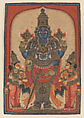
Vishnu Venkateshvara, Lord of Tirupati, Tirupati School, South India, Opaque watercolor and hand-colored silver on paper, South India, Andhra Pradesh, Tirupati
Tirupati School, South India
late 18th century
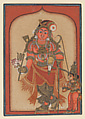
Krishna Rajagopalaswamy, king of the cowherds, Tirupati School, South India, Opaque watercolor and hand-colored silver on paper, South India, Andhra Pradesh, Tirupati
Tirupati School, South India
late 18th century
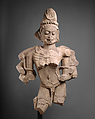
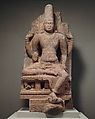
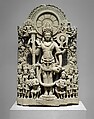
Enthroned Vishnu, Granulite, India
India
second half of the 8th–early 9th century
Chamunda, the Horrific Destroyer of Evil, Sandstone, India
India
10th–11th century
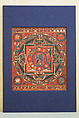
Hevajra Mandala, Sakya School, Ink and distemper on cloth, Tibet
Sakya School
16th century
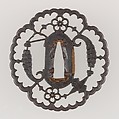
Sword Guard (Tsuba), Kyōsukashi School  Japanese, Iron, copper, Japanese
Kyōsukashi School
late 16th century
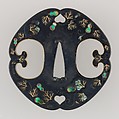
Sword Guard (Tsuba), Hirata School  Japanese, Copper-gold alloy (shakudō), gold, enameled cloisonné (shippō), copper, Japanese
Hirata School
ca. 1615–1868
Amusements at Higashiyama in Kyoto, Kano School  Japanese, Pair of six-panel folding screens; ink, color, gold, mica, and gold leaf on paper, Japan
Kano School
ca. 1620s
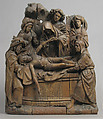
The Entombment, School of Antwerp  South Netherlandish, Oak, South Netherlandish
School of Antwerp
early 16th century
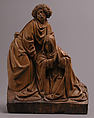
Virgin Supported by Saint John, School of Antwerp  South Netherlandish, Oak, South Netherlandish
School of Antwerp
early 16th century
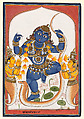
Krishna subduing Kaliya, flanked by his pleading wives, Opaque watercolor and gold on paper, South India, Tirupati, Andhra Pradesh
South India, Tirupati, Andhra Pradesh
19th century
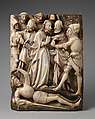
The Betrayal of Christ, School of Nottingham  British, Alabaster with paint and gilding, British
School of Nottingham
15th century
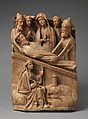
The Entombment, School of Nottingham  British, Alabaster, British
School of Nottingham
15th century
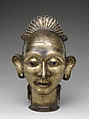
Processional image of the goddess Gauri, Brass with glass inlay and silver attachments, South India, Karnataka
South India, Karnataka
ca. 18th century
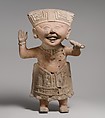
Smiling figure (Sonriente), South central Veracruz artist(s), Ceramic, slip, paint, Classic Veracruz
South central Veracruz artist(s)
600–1000 CE
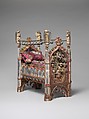
Crib of the Infant Jesus, Wood, polychromy, lead, silver-gilt, painted parchment, silk embroidery with seed pearls, gold thread, translucent enamels, South Netherlandish
South Netherlandish
15th century
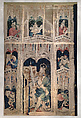
Julius Caesar (from the Heroes Tapestries), Wool warp, wool wefts, South Netherlandish
South Netherlandish
ca. 1400–1410
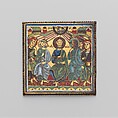
Plaque with the Pentecost, Champlevé and translucent enamel on copper gilt, South Netherlandish
South Netherlandish
ca. 1150–75
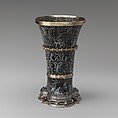
Beaker with Apes, Silver, silver gilt, and painted enamel, South Netherlandish
South Netherlandish
ca. 1425–50
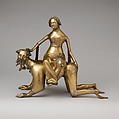
Aquamanile in the Form of Aristotle and Phyllis, Bronze; Quaternary copper alloy (approx. 72% copper, approx. 17% zinc,<br/>approx. 6% lead, approx. 3% tin)., South Netherlandish
South Netherlandish
late 14th or early 15th century
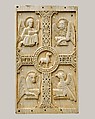
Plaque with Agnus Dei on a Cross between Emblems of the Four Evangelists, Elephant ivory, South Italian
South Italian
1000–1050
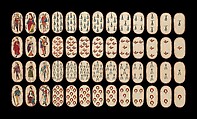
The Cloisters Playing Cards, Paper (four layers of pasteboard) with pen and ink, opaque paint, glazes, and applied silver and gold, South Netherlandish
South Netherlandish
ca. 1475–80
Dish with Abraham and Melchizedek, Hans of Landshut  German, Free-blown glass with paint and metallic foils, South German
Hans of Landshut
1498
Saint Stephen, Hans Leinberger  German, Limewood with traces of paint, South German
Hans Leinberger
ca. 1525–30
Vishnu, Sandstone, India (Punjab)
India (Punjab)
10th–11th century
Crowned Buddha, Bronze inlaid with silver, lapis lazuli, and rock crystal, India (Bihar)
India (Bihar)
10th–11th century
Standing Brahma, Granite, India (South India)
India (South India)
10th–11th century
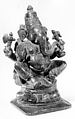
Ganesha, Bronze, India (South India)
India (South India)
17th–18th century
Krishna, Bronze, India (South India)
India (South India)
18th–19th century
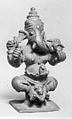
Figure of Ganesha, Bronze, India (South India)
India (South India)
16th–17th century
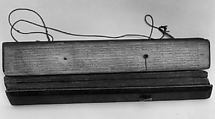
Pali Manuscript, Palm leaves, South India
South India
18th century
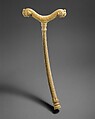
Armrest, Ivory, South India
South India
18th century
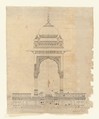
Domed Pavilion, Ink on fabric, India, Company School
India, Company School
ca. 1830
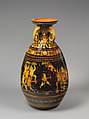
Exhibition Vase with Scenes from the Ramayana, Earthenware with colored slips under a clear glaze., India, Bombay School
India, Bombay School
ca. 1880s
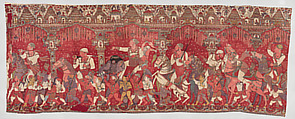
King Tirumala Nayaka in Procession, Cotton, hand-painted mordant-dyed and resist-dyed (kalamkari), India
India
1640–50
The Battle of Yashima, from The Tale of the Heike (Heike monogatari), Tosa School  Japanese, One of a pair of six-panel folding screens; ink, color, gold, and gold leaf on paper, Japan
Tosa School
17th century
Scenes from Tales of Ise (Ise monogatari), Tosa School  Japanese, Set of album leaf paintings; ink and color on paper (shikishi), Japan
Tosa School
late 18th century
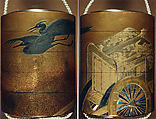
Case (Inrō) with Design of Imperial Cart and Flying Herons (obverse); Court Carriage and Flying Herons (reverse), Kajikawa School, Gold and silver maki-e with mother-of-pearl inlay and black lacquer; Ojime: agate bead; Netsuke: metal king of hell, Japan
Kajikawa School
19th century
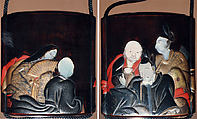
Case (Inrō) with Design of Six Immortal Poets, Kajikawa School, Gold and silver maki-e with black and red lacquer relief and mother-of-pearl inlay; Ojime: bronze Bodhidharma; Netsuke: carved lacquer Chinese children and auspicious symbols, Japan
Kajikawa School
19th century
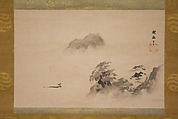
Misty Landscape, Kano School  Japanese, Hanging scroll; ink on paper, Japan
Kano School
early 19th century