Search the collection

Filter By

Object Type / Material
Geographic Location
Department
Date
Show Only:
  • As part of the Met's Open Access policy, you can freely copy, modify and distribute this image, even for commercial purposes.
    APIPublic domain data for this object can also be accessed using the Met's Open Access API
  • Objects with changed or unknown ownership in continental Europe between 1933-1945. Learn more
Showing 475 results for Amiri Baraka
Sort by:
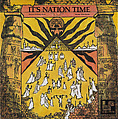
It’s Nation Time—African Visionary Music, Amiri Baraka  American, Record
Amiri Baraka
Fundi
1972
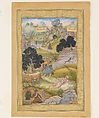
"A King Offers to Make Amends to a Bereaved Mother", Folio from a Khamsa (Quintet) of Amir Khusrau Dihlavi, Amir Khusrau Dihlavi  Indian, Main support: Ink, opaque watercolor, gold on paper<br/>Margins: Gold on dyed paper
Amir Khusrau Dihlavi
Miskin
1597–98
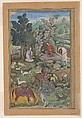
"Bahram Gur Sees a Herd of Deer Mesmerized by Dilaram' s Music", Folio from a Khamsa (Quintet) of Amir Khusrau Dihlavi, Amir Khusrau Dihlavi  Indian, Main support: ink, opaque watercolor, and gold on paper<br/>Margins: gold on dyed paper
Amir Khusrau Dihlavi
Miskin
1597–98
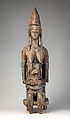
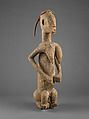
Gwandusu, Bamana numu (blacksmith), Wood (Cordyla africana or Lonchocarpus), applied organic materials, Bamana
Bamana numu (blacksmith)
15th–17th century
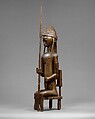
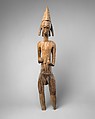
Gwantigi, Bamana numu (blacksmith), Wood, Bamana peoples
Bamana numu (blacksmith)
15th–17th century
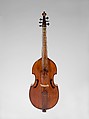
Division Viol, Barak Norman  British, Wood, British
Barak Norman
1692
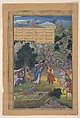
"A Muslim Pilgrim Learns a Lesson in Piety from a Brahman", Folio from a Khamsa (Quintet) of Amir Khusrau Dihlavi, Amir Khusrau Dihlavi  Indian, Image: Ink, opaque watercolor, and gold on paper<br/>Margins: Gold on dyed paper
Multiple artists/makers
1597–98
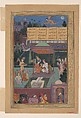
"The Story of the Princess of the Blue Pavillion: The Youth of Rum Is Entertained in a Garden by a Fairy and her Maidens", Folio from a Khamsa (Quintet) of Amir Khusrau Dihlavi, Amir Khusrau Dihlavi  Indian, Ink, opaque watercolor, and gold on paper
Multiple artists/makers
1597–98
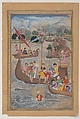
"Alexander is Lowered into the Sea", Folio from a Khamsa (Quintet) of Amir Khusrau Dihlavi, Amir Khusrau Dihlavi  Indian, Main support: Ink, watercolor, gold on paper<br/>Margins: Gold on dyed paper
Amir Khusrau Dihlavi
Mukunda
1597–98
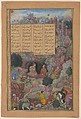
"Alexander Visits the Sage Plato in his Mountain Cave", Folio from a Khamsa (Quintet) of Amir Khusrau Dihlavi, Amir Khusrau Dihlavi  Indian, Main support: Ink, opaque watercolor, gold on paperg<br/>Margins: Gold on dyed paper
Amir Khusrau Dihlavi
Basawan
1597–98
Perminangken (container for magical substances), Toba Batak artist, Wood, ceramic, Toba Batak
Toba Batak artist
19th–early 20th century
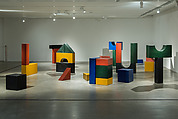
Lyautey Unit Blocks (Play), Yto Barrada  Moroccan, born France, Wood and paint
Yto Barrada
2010
Single Form (Eikon), Barbara Hepworth  British, Bronze
Barbara Hepworth
1937–38, cast 1963
Drum, Baraja, wood, lizard skin, sago palm leaves, Asmat people
Baraja
mid-20th century
Anthology of Persian Poetry, Amir Shahi of Sabzavar  Iranian, Main support: Ink, opaque watercolor, and gold on paper<br/>Binding: Lacquer
Multiple artists/makers
16th century
Kòmò trumpet, Wood, Bamana
Bamana
20th century
Boli (power object), Bamana Initiate, Komo association, Wood, applied organic materials, Bamana
Bamana Initiate, Komo association
Early 20th century
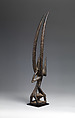
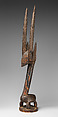
Ci wara headdress, Bamana numu (blacksmith), Wood, metal, Bamana
Bamana numu (blacksmith)
19th century
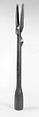
All That Rises Must Converge, Barbara Chase-Riboud  American, Polished bronze, synthetic silk, and silk fiber
Barbara Chase-Riboud
1973
Karou (crescent-moon mask), Marka artist, Ceiba(?) wood, pigment, Marka
Marka artist
Mid-20th century
Nan va Halva (Breads and Sweets), Muhammad Baha' al-Din al-'Amili  Iranian, born Syria, Ink, opaque watercolor, and gold on paper<br/>Binding: leather
Muhammad Baha' al-Din al-'Amili
ca. 1690
Nyeleni figure, Bamana numu (blacksmith), Wood, brass, thread, Bamana peoples
Bamana numu (blacksmith)
19th–early 20th century
Suruku koun (hyena) mask, Bamana numu (blacksmith), Wood, cowrie shells, pigment, Bamana peoples
Bamana numu (blacksmith)
19th–mid-20th century
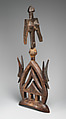
Nama tyétyé (hyena) headdress, Bamana numu (blacksmith), Wood, metal, cane, cotton, Bamana peoples
Bamana numu (blacksmith)
19th–mid-20th century
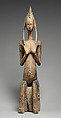
Koni koun headdress, Bamana numu (blacksmith), Wood, cotton, Bamana peoples
Bamana numu (blacksmith)
19th–mid-20th century
Ci wara headdress, Bamana numu (blacksmith), Wood, metal, fiber, Bamana peoples
Bamana numu (blacksmith)
19th–early 20th century
Ci wara headdress, Bamana numu (blacksmith), Wood, metal, fiber, Bamana peoples
Bamana numu (blacksmith)
19th–early 20th century
Maani (marionette) of a male figure, Bamana numu (blacksmith), Wood, cloth, copper alloy, iron, pigment, Bamana or Bozo peoples
Bamana numu (blacksmith)
Mid-20th century
Jomogoni male figure, Bamana numu (blacksmith), Wood, Bamana peoples
Bamana numu (blacksmith)
15th–17th century
Sogoni koun headdress, Bamana numu (blacksmith), Wood, cane, string, bamboo, Bamana peoples
Bamana numu (blacksmith)
19th–early 20th century
N’Gonzon koun headdress, Bamana numu (blacksmith), Wood, metal, Bamana peoples
Bamana numu (blacksmith)
19th–mid-20th century
Konomani (little pregnant one), Bamana numu (blacksmith), Wood, Bamana peoples
Bamana numu (blacksmith)
17th–mid-20th century
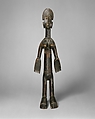
Nyeleni figure, Bamana numu (blacksmith), Wood, metal, Bamana peoples
Bamana numu (blacksmith)
19th–early 20th century
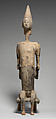
Jomogoni female figure, Bamana numu (blacksmith), Wood, Bamana peoples
Bamana numu (blacksmith)
15th–17th century
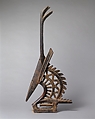
Mishi (cow) mask, Bamana numu (blacksmith), Wood, Bamana peoples
Bamana numu (blacksmith)
19th–mid-20th century
Jomogoni male figure, Bamana numu (blacksmith), Wood, mud, Bamana peoples
Bamana numu (blacksmith)
15th–17th century
Nyeleni figure, Bamana numu (blacksmith), Wood, Bamana peoples
Bamana numu (blacksmith)
19th–early 20th century
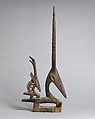
Sogoni koun headdress, Bamana numu (blacksmith), Wood, Bamana peoples
Bamana numu (blacksmith)
Late 19th–early 20th century
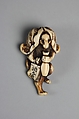
Tanuki (Japanese Racoon Dog) with a Sake Bottle and Bills for Sake

, Garaku  Japanese, Ivory, Japan
Garaku
second half of the 18th century
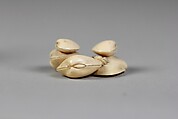
Netsuke of Clam Shells, Garaku  Japanese, Ivory, Japan
Garaku
18th century