Search the collection
Filter By
Object Type / Material
Geographic Location
Department
Date
Show Only:
- As part of the Met's Open Access policy, you can freely copy, modify and distribute this image, even for commercial purposes.APIPublic domain data for this object can also be accessed using the Met's Open Access API
More than 10,000 results for probably European (Saami peoples)
Sort by:
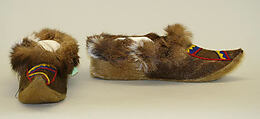
probably European (Saami peoples)
1800–1940
European, probably Scandinavia
10th century
European, probably
1850–1900
European, probably
1770–1830
European, probably
1885–90

European, probably
1885–90
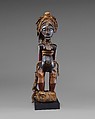
Songye artist and nganga (ritual specialist)
19th–first half of 20th century
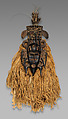
Senufo artist
19th–mid-20th century
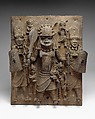
Ìgùn Ẹ́rọ̀nwwọ̀n (brass-casting guild) artists
ca. 1540–70
Kwele artist
19th–first half of 20th century
Mossi blacksmith
19th–first half 20th century
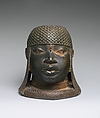
Ìgùn Ẹ́rọ̀nwwọ̀n (brass-casting guild) artists
Early 15th–mid-16th century
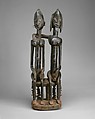
"Barnes Foundation Master"
18th–early 19th century
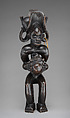
Chokwe artist
19th century (before 1869)
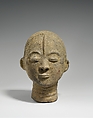
Akan artist
17th–mid-18th century

Ìgùn Ẹ́rọ̀nwwọ̀n (brass-casting guild) artists
16th–17th century
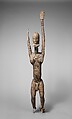
Dogon blacksmith
14th–17th century
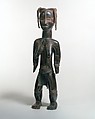
Zlan of Belewale
Sonzlanwon
First half 20th century
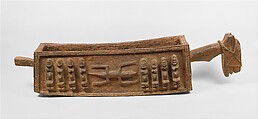
Dogon blacksmith
16th–19th century
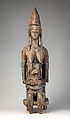
Bamana numu (blacksmith)
15th–17th century
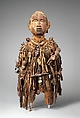
Kongo artist and nganga (ritual specialist)
19th–first half of 20th century
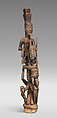
Olowe of Ise
before 1938
Ejagham artist
19th–mid-20th century
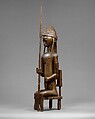
Bamana numu (blacksmith)
15th–17th century
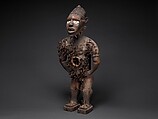
Yombe-Kongo artist and nganga (ritual specialist)
ca. 1880–1900
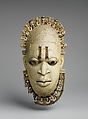
Ìgbèsànmwà (ivory- and wood- carving guild) artists
16th century
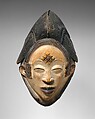
Punu artist
mid-19th–mid-20th century
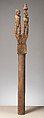
Sakalava artist
17th–late 18th century
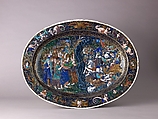
Master IC (probably Jean Court)
Jean Cour (or Court)
probably early 17th century
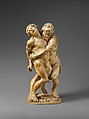
Master of the Martyrdom of St. Sebastian
probably mid-17th century
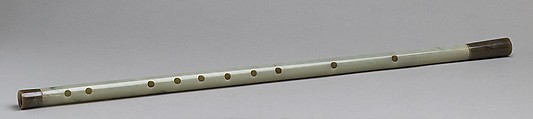
probably Chinese
late 18th–early 19th century
probably Central European
13th century BCE
probably Central European
13th century BCE
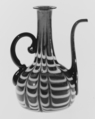
probably northern European (probably German)
late 17th century
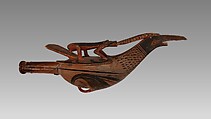
Probably Nootka
19th century
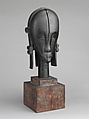
Betsi-Fang artist
19th century
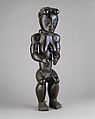
Okak-Fang artist
19th century
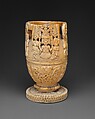
Yoruba artist
17th–18th century
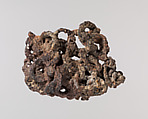
probably European
before 1271
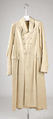
probably European
early 1820s