Search the collection

Filter By

Object Type / Material
Geographic Location
Department
Date
Show Only:
  • As part of the Met's Open Access policy, you can freely copy, modify and distribute this image, even for commercial purposes.
    APIPublic domain data for this object can also be accessed using the Met's Open Access API
  • Objects with changed or unknown ownership in continental Europe between 1933-1945. Learn more
More than 10,000 results for Giovanni Battista Pittoni the Elder
Sort by:
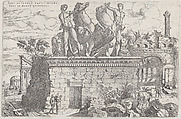
Roman ruins with the horse tamers (Dioscuri) on the Quirinal Hill, plate 36 from "Discorsi Sopra L’Antichita di Roma", Giovanni Battista Pittoni the Elder  Italian, Etching
Giovanni Battista Pittoni the Elder
1730–60
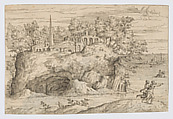
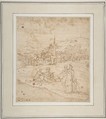
Standing and Seated Figures in a Landscape with an Obelisk, Giovanni Battista Pittoni the Elder  Italian, Pen and brown ink
Giovanni Battista Pittoni the Elder
1520–83
View of an Island with Antique Ruins (The Abduction of Europa), from: Imagini Favolose, Giovanni Battista Pittoni the Elder  Italian, Etching, state before initials; verso drawing in pen and ink with wash
Giovanni Battista Pittoni the Elder
1575–85
Giovanni Battista Pittoni the Elder
16th century
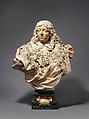
Ferdinando de' Medici, Grand Prince of Tuscany, Giovanni Battista Foggini  Italian, Marble, gray marble, Italian, Florence
Giovanni Battista Foggini
ca. 1680–82
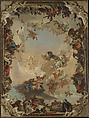
Allegory of the Planets and Continents, Giovanni Battista Tiepolo  Italian, Oil on canvas
Giovanni Battista Tiepolo
1752
Multiple artists/makers
1551, 1561, 1583
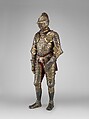
Armor of Henry II, King of France (reigned 1547–59), Jean Cousin the Elder  French, Steel, gold, silver, leather, textile, French, possibly Paris
Jean Cousin the Elder
Baptiste Pellerin
ca. 1555
The Harvesters, Pieter Bruegel the Elder  Netherlandish, Oil on wood
Pieter Bruegel the Elder
1565
Multiple artists/makers
1578
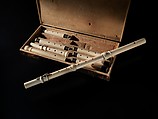
Pair of Transverse Flutes, Johann Wilhelm Oberlender (the Elder)  German, Ivory, silver, wood, German
Johann Wilhelm Oberlender (the Elder)
mid-18th century
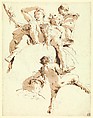
Bacchus and Ariadne, Giovanni Battista Tiepolo  Italian, Pen and brown ink, brown wash, over black chalk.
Giovanni Battista Tiepolo
ca. 1740
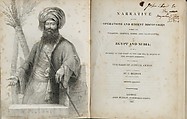
Narrative of the Operations and Recent Discoveries Within the Pyramids, Temples, Tombs and Excavations in Egypt and Nubia; and of a Journey to the Coast of the Red Sea, in Search of the Ancient Berenice; and Another to the Oasis of Jupiter Ammon, Giovanni Battista Belzoni  Italian, Printed book, London: J. Murray, 1820
Giovanni Battista Belzoni
1820
Reinforce for a Helmet (Gupfe), Mattheus Frauenpreis the Elder  German, Steel, gold, German, Augsburg
Multiple artists/makers
1549–50
Susanna and the Elders (recto); Architectural design and other scribbles (verso), Giovanni Battista Pittoni  Italian, Red and black chalks
Giovanni Battista Pittoni
ca. 1720
Vase, Daniel Marot the Elder  French, Tin-glazed earthenware (Delftware), Dutch, Delft
Multiple artists/makers
ca. 1690
Twelve-light chandelier, Giovanni Battista Metellino  Italian, Gilt steel (gilding not original) and rock crystal, Italian, Milan
Giovanni Battista Metellino
first quarter 18th century
Cosimo III de' Medici (1642–1723), Grand Duke of Tuscany, Giovanni Battista Foggini  Italian, Marble with base of gray marble, Italian, Florence
Giovanni Battista Foggini
ca. 1680–82
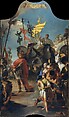
The Triumph of Marius, Giovanni Battista Tiepolo  Italian, Oil on canvas
Giovanni Battista Tiepolo
1729
The Adoration of the Magi, Giovanni Battista Tiepolo  Italian, Oil on canvas
Giovanni Battista Tiepolo
late 1750s
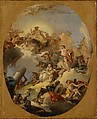
The Apotheosis of the Spanish Monarchy, Giovanni Battista Tiepolo  Italian, Oil on canvas
Giovanni Battista Tiepolo
1760s
The Apotheosis of the Spanish Monarchy, Giovanni Battista Tiepolo  Italian, Oil on canvas
Giovanni Battista Tiepolo
1760s
Allegorical Figure Representing Arithmetic, Giovanni Battista Tiepolo and Workshop Italian, Fresco, transferred to canvas
Giovanni Battista Tiepolo
Girolamo Mengozzi (called Colonna)
1760
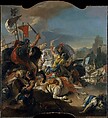
The Battle of Vercellae, Giovanni Battista Tiepolo  Italian, Oil on canvas
Giovanni Battista Tiepolo
1725–29
The Capture of Carthage, Giovanni Battista Tiepolo  Italian, Oil on canvas
Giovanni Battista Tiepolo
1725–29
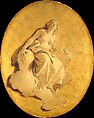
A Female Allegorical Figure, Giovanni Battista Tiepolo  Italian, Oil on canvas, gold ground
Giovanni Battista Tiepolo
ca. 1740–50
Allegorical Figure Representing Geometry, Giovanni Battista Tiepolo and Workshop Italian, Fresco, transferred to canvas
Giovanni Battista Tiepolo
Girolamo Mengozzi (called Colonna)
1760
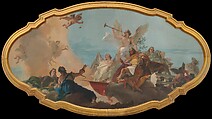
The Glorification of the Barbaro Family, Giovanni Battista Tiepolo  Italian, Oil on canvas
Giovanni Battista Tiepolo
ca. 1750
Allegorical Figure Representing Grammar, Giovanni Battista Tiepolo and Workshop Italian, Fresco, transferred to canvas
Giovanni Battista Tiepolo
Girolamo Mengozzi (called Colonna)
1760
The Investiture of Bishop Harold as Duke of Franconia, Giovanni Battista Tiepolo  Italian, Oil on canvas
Giovanni Battista Tiepolo
ca. 1751–52
Allegorical Figure Representing Metaphysics, Giovanni Battista Tiepolo and Workshop Italian, Fresco, transferred to canvas
Giovanni Battista Tiepolo
Girolamo Mengozzi (called Colonna)
1760
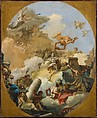
The Chariot of Aurora, Giovanni Battista Tiepolo  Italian, Oil on canvas
Giovanni Battista Tiepolo
1760s
A Female Allegorical Figure, Giovanni Battista Tiepolo  Italian, Oil on canvas, gold ground
Giovanni Battista Tiepolo
1740–50
The Flight into Egypt, Giovanni Battista Tiepolo  Italian, Oil on canvas
Giovanni Battista Tiepolo
ca. 1767–70
The Meeting of Antony and Cleopatra, Giovanni Battista Tiepolo  Italian, Oil on canvas
Giovanni Battista Tiepolo
ca. 1745–47
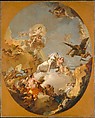
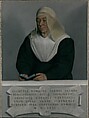
Lucrezia Agliardi Vertova (1490?–1558), Giovanni Battista Moroni  Italian, Oil on canvas
Giovanni Battista Moroni
1557
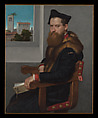
Bartolomeo Bonghi (died 1584), Giovanni Battista Moroni  Italian, Oil on canvas
Giovanni Battista Moroni
shortly after 1553
Neptune and the Winds, Giovanni Battista Tiepolo  Italian, Oil on canvas
Giovanni Battista Tiepolo
1760s
Saint Thecla Praying for the Plague-Stricken, Giovanni Battista Tiepolo  Italian, Oil on canvas
Giovanni Battista Tiepolo
1758–59
The Calling of Saint Matthew, Giovanni Battista Caracciolo  Italian, Oil on canvas
Giovanni Battista Caracciolo
ca. 1625–30