Search the collection

Filter By

Object Type / Material
Geographic Location
Department
Date
Show Only:
  • As part of the Met's Open Access policy, you can freely copy, modify and distribute this image, even for commercial purposes.
    APIPublic domain data for this object can also be accessed using the Met's Open Access API
  • Objects with changed or unknown ownership in continental Europe between 1933-1945. Learn more
More than 10,000 results for German or Slavic
Sort by:
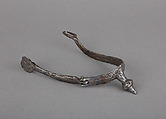
Prick Spur (Left), Iron alloy, German or Slavic
German or Slavic
13th century
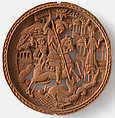
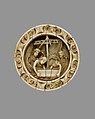
Medallion, St. George Slaying The Dragon, Boxwood, Slavic
Slavic
17th century
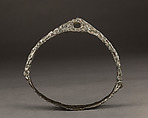
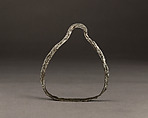
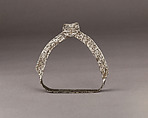
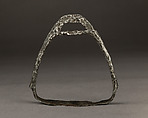
Stirrup, Iron, German or West Slavic
German or West Slavic
9th–10th century
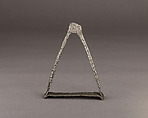
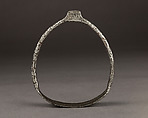
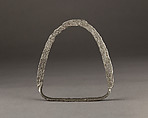
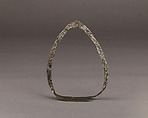
Stirrup, Iron, German or West Slavic
German or West Slavic
10th–11th century
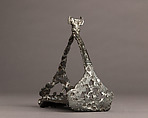
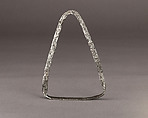
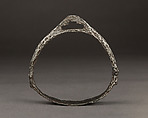
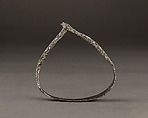
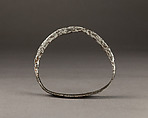
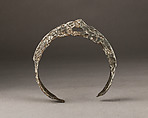
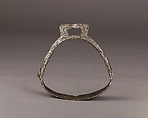
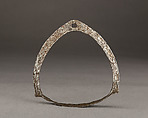
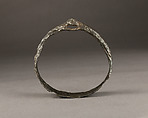
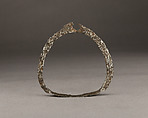
Stirrup, Iron, silver, Germanic or Slavic
Germanic or Slavic
8th–9th century
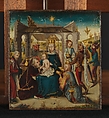
Adoration of the Magi, German , Middle Rhine(?), active ca. 1470-90, Oil and gold on beech panel, German, Middle Rhine(?)
German
ca. 1470–90
Lidded saltcellar, Temne or Bullom artist(s), Ivory, Temne or Bullom
Temne or Bullom artist(s)
ca. 1490–1530
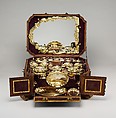
Toilet set in original leather case, Fourteen identified German (Augsburg) goldsmiths and other German artisans; Japanese (Imari) porcelain maker, Gilt silver, hard-paste porcelain, cut glass, walnut, carved and partially gilt coniferous wood, blind-tooled and partially gilt leather, partially gilt steel and iron, textiles, moiré paper, hog's bristle, German, Augsburg
Fourteen identified German (Augsburg) goldsmiths and other German artisans; Japanese (Imari) porcelain maker
ca. 1743–45
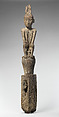
Hampatong (figure), Ngadju or Ot Danum artist, Wood, pigment, Ngadju or Ot Danum
Ngadju or Ot Danum artist
19th–early 20th century
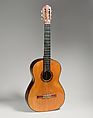
Guitar, Hermann Hauser  German, Spruce, rosewood, mahogany, bone or ivory, ebony, German
Hermann Hauser
1937
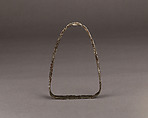
Stirrup, Iron, West Slavic
West Slavic
12th–13th century
Stirrup, Iron, West Slavic
West Slavic
10th–11th century
Stirrup, Iron, West Slavic
West Slavic
10th–11th century
Stirrup, Iron, West Slavic
West Slavic
10th–11th century
Stirrup, Iron, West Slavic
West Slavic
10th–11th century
Stirrup, Iron, West Slavic
West Slavic
10th–12th century
Stirrup, Iron, West Slavic
West Slavic
10th–11th century
Stirrup, Iron, West Slavic
West Slavic
9th–10th century
Stirrup, Iron, West Slavic
West Slavic
10th–11th century
Stirrup, Iron, West Slavic
West Slavic
10th–12th century
Stirrup, Iron, silver, West Slavic
West Slavic
10th–11th century
Stirrup, Iron, West Slavic
West Slavic
10th–11th century
Stirrup, Iron, West Slavic
West Slavic
10th–11th century
Stirrup, Iron, West Slavic
West Slavic
10th–11th century
Stirrup, Iron, copper alloy, West Slavic
West Slavic
12th–13th century
Stirrup, Iron, West Slavic
West Slavic
12th–13th century
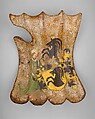
Shield for the Field or Tournament (Targe), Wood, leather, linen, gesso, pigments, silver, German
German
ca. 1450
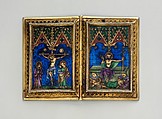
Diptych with Scenes of the Annunciation, Nativity, Crucifixion, and Resurrection, Silver gilt with translucent and opaque enamels, German
German
1300–1325
The Virgin Mary and Five Standing Saints above Predella Panels, Pot-metal glass, white glass, vitreous paint, silver stain, German
German
1440–46
Virgin, Sandstone with original paint and gilding, German
German
ca. 1250
Chalice, Silver, gilded silver, niello, and jewels, German
German
ca. 1230–50
Game Piece with a Scene from the Life of Apollonius of Tyre, Walrus ivory, German
German
ca. 1170
Paten, Silver, partly gilt; niello, jewels, German
German
ca. 1230–50
Straw, Silver, partly gilt; niello, jewels, German
German
ca. 1230–50
Violin, Joachim Tielke  German, Spruce, maple, German
Joachim Tielke
ca. 1685
Pair of Transverse Flutes, Johann Wilhelm Oberlender (the Elder)  German, Ivory, silver, wood, German
Johann Wilhelm Oberlender (the Elder)
mid-18th century
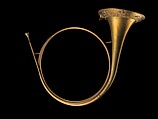
Cornetto in A, Ivory, gilt ferrule, German
German
ca. 1575
English Horn, H. Grenser  German, Wood, ivory, brass, German
H. Grenser
before 1807
Aquamanile in the Form of a Lion, Copper alloy, German
German
ca. 1400
Shrine of the Virgin, Oak, linen covering, polychromy, gilding, gesso, German
German
ca. 1300