Search the collection

Filter By

Object Type / Material
Geographic Location
Department
Date
Show Only:
  • As part of the Met's Open Access policy, you can freely copy, modify and distribute this image, even for commercial purposes.
    APIPublic domain data for this object can also be accessed using the Met's Open Access API
  • Objects with changed or unknown ownership in continental Europe between 1933-1945. Learn more
Showing 9,750 results for European, probably
Sort by:
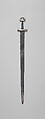
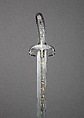
Viking Sword, Steel, copper, silver, niello, European, probably Scandinavia
European, probably Scandinavia
10th century
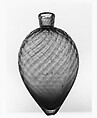
Flask, Blown pattern-molded lead glass, European, probably
European, probably
1850–1900
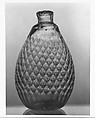
Flask, Blown pattern-molded non-lead glass, European, probably
European, probably
1770–1830
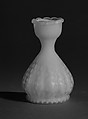
Vase, Blown satin white glass, European, probably
European, probably
1885–90
Vase, Blown satin white glass, European, probably
European, probably
1885–90
Smallsword, Tortoiseshell, gold, silver, steel, Western European, probably Naples
Western European, probably Naples
ca. 1720
Saber with Scabbard and Strap, Steel, gold, wood, leather, Eastern European, probably Hungary
Eastern European, probably Hungary
ca. 1550
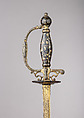
Inkwell, Transparent dark green glass. Blown, pattern molded., Northern European (probably German)
Northern European (probably German)
17th century
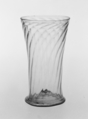
Beaker, Colorless (slightly purplish gray) nonlead glass. Blown, pattern molded., Northern European (probably Germany)
Northern European (probably Germany)
17th century
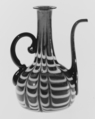
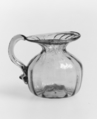
Cruet, Transparent amber and opaque white nonlead glass. Blown, trailed, combed., probably northern European (probably German)
probably northern European (probably German)
late 17th century
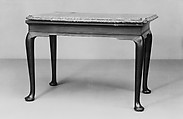
Pier Table, Mahogany, marble, European, probably British
European, probably British
1740–70
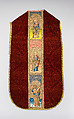
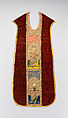
Chasuble back, Stamped wool velvet, Central European, probably
Central European, probably
ca. 1625
European, probably
1870–1900
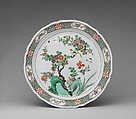
Dish with rocks, flowers, and birds, Hard-paste porcelain painted with colored enamels over transparent glaze (Jingdezhen ware), Chinese, for European, probably French, market
Chinese, for European, probably French, market
1725–30
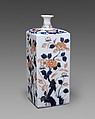
Bottle with flowers of the four seasons, Hard-paste porcelain painted with colored enamels over transparent glaze (Hizen ware; Imari type), Japanese, for European, probably Dutch, market
Japanese, for European, probably Dutch, market
ca. 1710
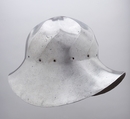
War Hat, Steel, Western European, probably Burgundy or Flanders
Western European, probably Burgundy or Flanders
ca. 1475
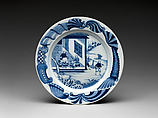
Dish with a scene of tea cultivation (one of a pair), Hard-paste porcelain painted with cobalt blue under transparent glaze (Jingdezhen ware), Chinese, for European, probably Dutch, market
Chinese, for European, probably Dutch, market
ca. 1740–45
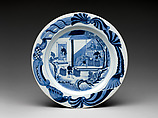
Dish with a scene of tea cultivation (one of a pair), Hard-paste porcelain painted with cobalt blue under transparent glaze (Jingdezhen ware), Chinese, for European, probably Dutch, market
Chinese, for European, probably Dutch, market
ca. 1740–45
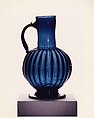
Jug, Transparent dark blue nonlead glass. Blown, pattern molded, trailed., Northern European (probably Bohemia or Germany)
Northern European (probably Bohemia or Germany)
possibly early 16th century; probably late 19th century
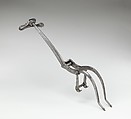
Rapier, Steel, silver, gold, brass, iron, Northern European, probably German
Northern European, probably German
blade dated 1620
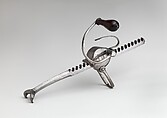
Spanning Lever (Gaffle or "Goat's-Foot" Lever), Steel, Western European, probably Spanish
Western European, probably Spanish
late 15th or first half of the 16th century
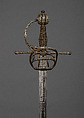
Cranequin, Steel, wood (possibly pear), Western European, probably Spanish
Western European, probably Spanish
16th century
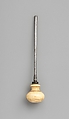
Pricker (Cocking Pin), Steel, ivory (probably hippopotamus), copper alloy, Central European, probably German
Central European, probably German
late 16th–19th century
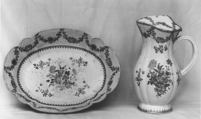
Central European, probably
ca. 1625
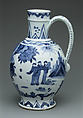
Ewer, Hard-paste porcelain, Japanese, for European, probably Dutch, market
Japanese, for European, probably Dutch, market
1660–80
Bottle, Hard-paste porcelain, Japanese, for European, probably Dutch, market
Japanese, for European, probably Dutch, market
early 18th century
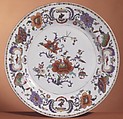
Dish, Hard-paste porcelain, Chinese, for European, probably French, market
Chinese, for European, probably French, market
ca. 1735
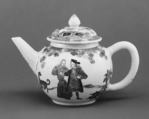
Teapot, Hard-paste porcelain, Chinese, for European, probably Dutch, market
Chinese, for European, probably Dutch, market
1715–20
Ewer and basin, Hard-paste porcelain, Chinese, for European, probably French, market
Chinese, for European, probably French, market
ca. 1765–75
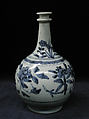
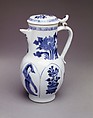
Ewer, Hard-paste porcelain, Chinese, for European, probably Dutch, market
Chinese, for European, probably Dutch, market
ca. 1715
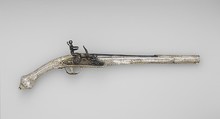
Flintlock Pistol, Steel, silver, gold, Balkan, lock and barrel European (probably French)
Balkan, lock and barrel European (probably French)
18th century
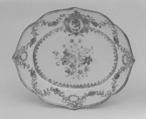
Tureen (one of a pair), Hard-paste porcelain, Chinese, for Continental European, probably Portuguese, market
Chinese, for Continental European, probably Portuguese, market
ca. 1770–90
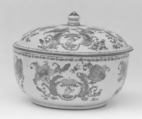
Bowl with cover (part of a set), Hard-paste porcelain, Chinese, for Continental European, probably French, market
Chinese, for Continental European, probably French, market
1725–40
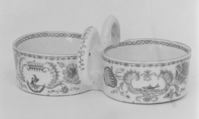
Cruet stand (part of a set), Hard-paste porcelain, Chinese, for Continental European, probably French, market
Chinese, for Continental European, probably French, market
1725–40
Bonbon dish, Hard-paste porcelain, Chinese, for Continental European, probably French, market
Chinese, for Continental European, probably French, market
ca. 1750–70
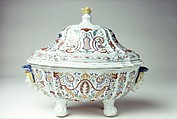
Tureen (one of a pair), Hard-paste porcelain, Chinese, for Continental European, probably Portuguese, market
Chinese, for Continental European, probably Portuguese, market
ca. 1770–90
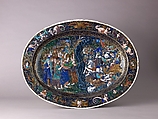
Dish: The Destruction of the Hosts of Pharaoh, Master IC (probably Jean Court) or French, Limoges, Painted enamel on copper, partly gilt.
Master IC (probably Jean Court)
Jean Cour (or Court)
probably early 17th century
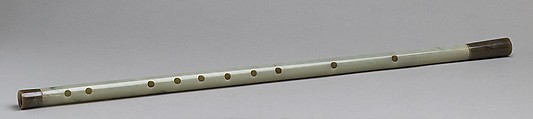
Dizi, Jade, probably Chinese
probably Chinese
late 18th–early 19th century
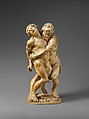
Hercules and Achelous, Master of the Martyrdom of St. Sebastian  Austrian, Ivory, probably Austrian
Master of the Martyrdom of St. Sebastian
probably mid-17th century
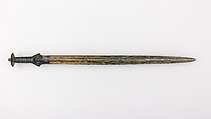
Sword, Bronze, probably Central European
probably Central European
13th century BCE