Search the collection

Filter By

Object Type / Material
Geographic Location
Department
Date
Show Only:
  • As part of the Met's Open Access policy, you can freely copy, modify and distribute this image, even for commercial purposes.
    APIPublic domain data for this object can also be accessed using the Met's Open Access API
  • Objects with changed or unknown ownership in continental Europe between 1933-1945. Learn more
Showing 2,875 results for Afghanistan (possibly Hadda)
Sort by:
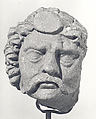
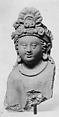
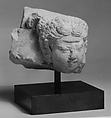
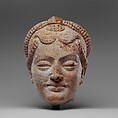
Head of a Male Figure, Stucco with traces of color, Afghanistan (possibly Hadda)
Afghanistan (possibly Hadda)
5th century
Niche with the Seated Bodhisattva Shakyamuni Flanked by Devotees and an Elephant, Stucco, Afghanistan (Hadda)
Afghanistan (Hadda)
ca. 4th–5th century
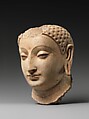
Head of Buddha, Stucco with traces of paint, Afghanistan (probably Hadda)
Afghanistan (probably Hadda)
5th–6th century
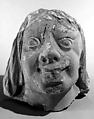
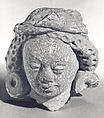
Head of a Male Figure, Stucco with traces of color, Afghanistan (Hadda)
Afghanistan (Hadda)
ca. 4th–5th century
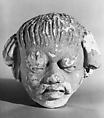
Head of a Male Figure with a Mustache, Stucco, Afghanistan (Hadda)
Afghanistan (Hadda)
4th–5th century
Linga with Face of Shiva (Ekamukhalinga), White marble, Afghanistan
Afghanistan
9th century
Head of a Male Figure, Stucco, Afghanistan
Afghanistan
2nd–4th century
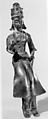
Upper Half of a Deity or King, Bronze, Afghanistan
Afghanistan
5th century
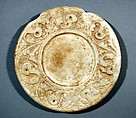
Circular Tray (Pata) with Vegetative Scrolling, Marble, Afghanistan
Afghanistan
ca. 6th–7th century
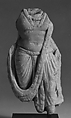
Standing Bodhisattva, Gypsum, Afghanistan
Afghanistan
ca. 5th century
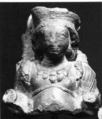
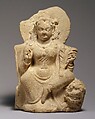
Goddess, Possibly Nana, Seated on a Lion
, Stucco, Afghanistan
Afghanistan
5th–6th century
Bodhisattva, Stucco, Afghanistan
Afghanistan
4th–5th century
Female Head, Marble, Afghanistan
Afghanistan
ca. 5th century
Seated Male Figure, Terracotta, Afghanistan
Afghanistan
10th century
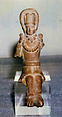
Seated Figure, Bronze, Afghanistan
Afghanistan
10th century
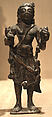
Standing Male Deity (Perhaps Vishnu) Holding a Conch, Bronze, Afghanistan
Afghanistan
6th century or earlier
Fragment of an Ivory Comb, Ivory, Afghanistan, possibly of West Indian manufacture
Afghanistan, possibly of West Indian manufacture
1st–3rd century
Afghanistan
8th–10th century
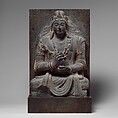
Ritual Basin, Bronze, Afghanistan or Central Asia
Afghanistan or Central Asia
6th–8th century
Seated Bodhisattva Maitreya (Buddha of the Future), Schist, Afghanistan (found near Kabul)
Afghanistan (found near Kabul)
7th–8th century
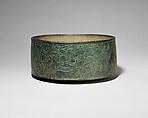
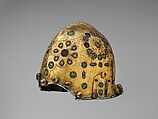
Helmet (Sallet), Steel, iron, gold, silver, cloisonné enamel, leather, textile, Spanish, possibly Granada
Spanish, possibly Granada
late 15th–early 16th century
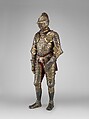
Armor of Henry II, King of France (reigned 1547–59), Jean Cousin the Elder  French, Steel, gold, silver, leather, textile, French, possibly Paris
Jean Cousin the Elder
Baptiste Pellerin
ca. 1555
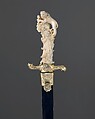
Hunting Sword with Scabbard, Joseph Deutschmann  German, Steel, silver, ivory, wood, leather, German, possibly Munich
Joseph Deutschmann
ca. 1740
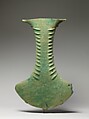
Ceremonial Object in the Shape of an Ax, Bronze alloy, Indonesia, possibly Sulawesi
Indonesia, possibly Sulawesi
ca. 100 BCE–300 CE
Nyonganyonga, Wood, shell, metal, beads, Possibly Barwe People
Possibly Barwe People
ca. 1900
Head of a Female Figure, Terracotta, Pakistan or Afghanistan
Pakistan or Afghanistan
4th–5th century
Horn, Watur possibly, Bamboo, Asmat people
Watur possibly
mid-20th century
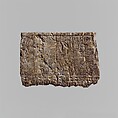
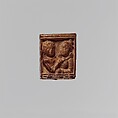
Plaque with Loving Couple (Mithuna), Bone, Afghanistan, possibly of West Indian manufacture
Afghanistan, possibly of West Indian manufacture
1st–3rd century
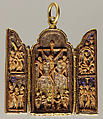
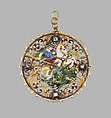
Pendant with Saint George and the Dragon, Enameled gold set with diamonds, possibly French
possibly French
ca. 1890–1910
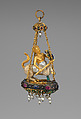
Pendant in the form of a centaur, Baroque pearl with enameled gold mounts set with sapphires and rubies, and with pendent pearls, possibly Spanish
possibly Spanish
late 16th–early 17th century
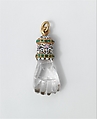
Pendant in the form of a hand, Rock crystal, with enameled gold mount set with emeralds, possibly Spanish
possibly Spanish
first half 17th century
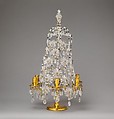
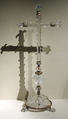
Six-light candelabrum (girandole) (one of a pair), Rock crystal, gilt bronze, silvered brass, iron, brass wire, glass, possibly Swedish
possibly Swedish
18th century style
Bi-conical glass bead, Glass, Possibly Carthaginian
Possibly Carthaginian
ca. 4th century BCE
Fragment of a bronze leg or support, Bronze, Possibly Greek
Possibly Greek
5th century BCE or later
Harness Pendant, Copper, gold, enamel, possibly Spanish
possibly Spanish
13th–early 15th century
Harness Pendant, Copper, gold, enamel, possibly Spanish
possibly Spanish
13th–early 15th century
Joint Stool, Cherry, American, possibly
American, possibly
1725–50
Bowl, Blown satin purple glass, British, possibly
British, possibly
1885–90
Cake Plate, Porcelain, French, possibly
French, possibly
ca. 1780
Saltcellar, Blown pattern-molded non-lead glass, American, possibly
American, possibly
1780–1825