Daughter of William Page (Possibly Anne Page)
Artwork Details
- Title: Daughter of William Page (Possibly Anne Page)
- Artist: William Page (American, Albany, New York 1811–1885 Staten Island, New York)
- Date: ca. 1837–38
- Culture: American
- Medium: Oil on canvas
- Dimensions: Oval: 14 x 12 in. (35.6 x 30.5 cm)
- Credit Line: Bequest of Emma A. Fortuna, 1925
- Object Number: 25.85.2
- Curatorial Department: The American Wing
More Artwork
Press the down key to skip to the last item.
Related Content
Perspectives
Articles, audio, and video from The Met's online magazine.
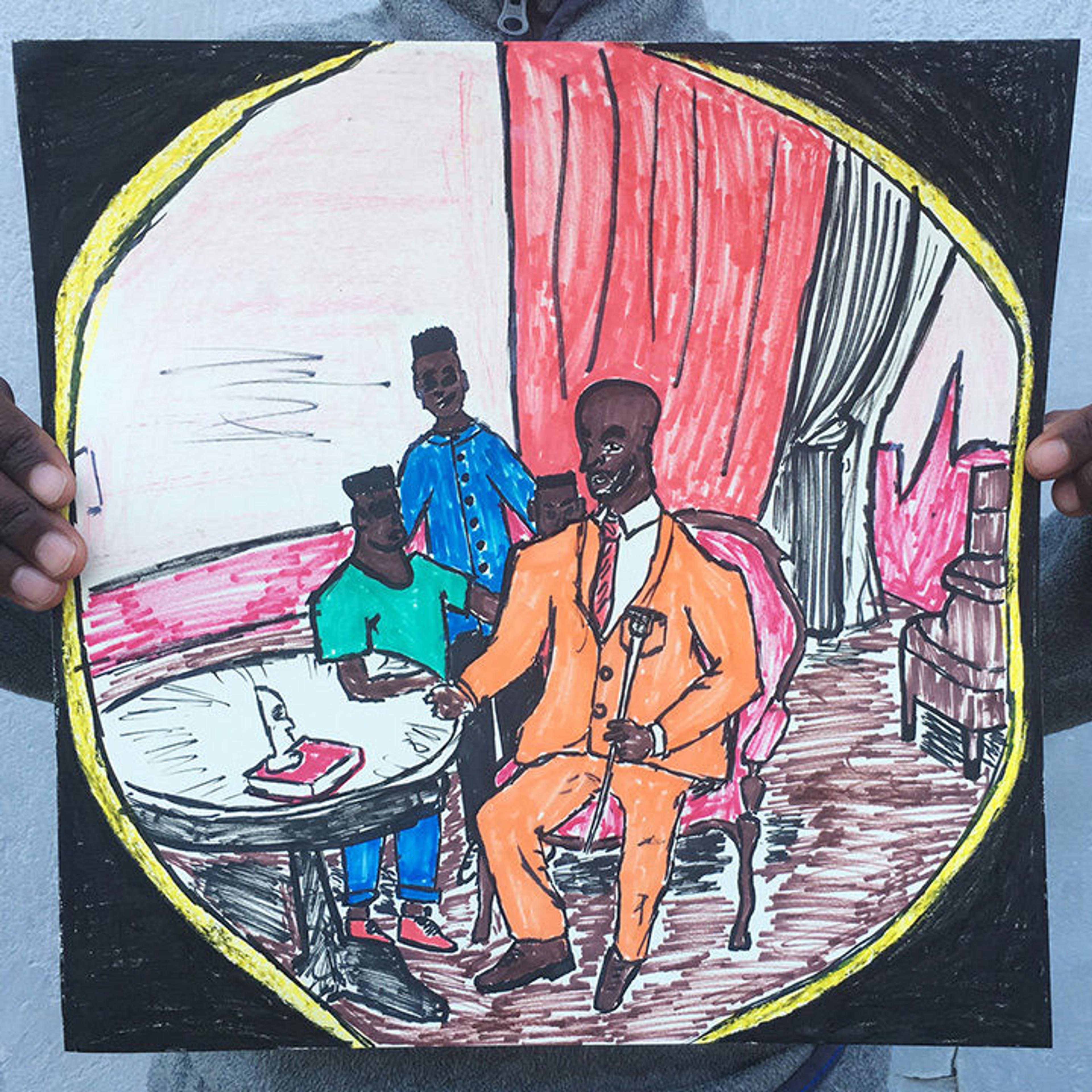
Publications
Books, guides, and catalogues published by The Met.
 Free to download
Research Resources
The Met provides unparalleled resources for research and welcomes an international community of students and scholars. The Met's Open Access API is where creators and researchers can connect to the The Met collection. Open Access data and public domain images are available for unrestricted commercial and noncommercial use without permission or fee.
To request images under copyright and other restrictions, please use this Image Request form.
Feedback
We continue to research and examine historical and cultural context for objects in The Met collection. If you have comments or questions about this object record, please contact us using the form below. The Museum looks forward to receiving your comments.